Kuningan in Bali: Dates 2026 and 2027, Yellow Rice, What Visitors Should Know
Kuningan is the Saturday ten days after Galungan, when Balinese families believe their ancestors leave home and return to the heavens. It was on 27 June 2026, and in 2027 it falls on 23 January and 21 August. Prayers finish by noon, tourist places stay open, and the roads near temples get busy.
Short answer: Kuningan is the closing day of the Galungan festival. It always falls on a Saturday, ten days after Galungan. The latest one was on 27 June 2026. In 2027 there are two: 23 January and 21 August. The dates come from published Balinese calendar sources, so check them a month before you travel. The key thing for a visitor is timing, because everything worth seeing happens before lunch.
What Kuningan is
Bali runs a 210-day pawukon calendar next to the usual one. Galungan opens a ten-day period in which ancestors are believed to visit their family homes. Kuningan closes it. The name is linked to the word for yellow, and that colour is the theme of the day. For the first half of the story, read our Galungan guide, which covers penjor poles and what the days before look like.
Because the cycle is shorter than a Western year, Kuningan slides earlier each year and sometimes appears twice. That is why 2026 had one in June and 2027 has two. The full list of dates, including Nyepi and Saraswati, is in the ceremonies calendar.
| Galungan | Kuningan | |
|---|---|---|
| Day | Wednesday | Saturday |
| Meaning | Ancestors arrive | Ancestors return to the heavens |
| Prayers | Morning and through the day | Morning only, before noon |
| Offerings | Colourful, many fruits | Yellow rice, turmeric |
| Mood | Busy, cooking, guests | Calmer, family and temple |
Yellow rice, tamiang and endongan
Three things are easy to spot once you know them.
- Nasi kuning. Rice cooked with turmeric, placed on offerings at home shrines and in temples. It is also eaten afterwards, so you may see it on warung menus around the date.
- Tamiang. A round woven shield made from young coconut leaf. It is hung on gates and shrines and is often described as protection, and as a symbol of the turning of the world and of the passing of time.
- Endongan. A small woven pouch hung at the shrine. It is a symbolic bag of provisions for the ancestors on their way back, and may hold rice, fruit and a few coins.
The penjor poles from Galungan are usually still standing, a little faded after ten days. They are a good background for orientation, but do not touch or move them.
Why prayers end by noon
The explanation Balinese families give is simple: by midday the spirits have left, so there is no point praying later. In practice the day runs on a tight clock.
- Early morning: the family prays at the home shrine and lays out offerings.
- Mid morning: people travel to the village temple, often in white and gold.
- Around noon: it goes quiet and the roads empty.
- Afternoon: an ordinary Saturday, with visits and rest.
If you arrive at 2 PM you will see leftover offerings and empty courtyards. Set an alarm for 6 AM.
What it means for your trip
- Open: hotels, restaurants, cafes, spas, beach clubs and most tour operators.
- Possibly closed in the morning: small local shops, government offices and some family-run warungs. Do errands on Friday.
- Roads: temple traffic and processions slow things down between about 7 and 11 AM, especially around big village temples. Do not honk at or overtake a procession.
- Drivers: many take the morning for family prayers. Book a few days ahead and confirm the evening before. More options are in getting around Bali without a scooter.
- Weather: the January date lands in peak rain season, August is dry. For seasons, see when to visit Bali.
Kuningan in Seminyak, Canggu and Ubud
In Seminyak and Canggu the beach-club side of life goes on as normal, which is why many visitors miss the festival entirely. Look instead at the side streets and village lanes behind the main roads. You will see tamiang on gates, offerings at shop entrances and families in ceremonial clothes riding to the local banjar temple. The Seminyak guide and the Canggu guide cover the areas themselves. Expect slow traffic on narrow lanes for an hour or two rather than a closed district.
In Ubud and the villages around it, ceremony is much easier to see. Walk the village streets before 9 AM, stand at the edge, and let people pass. Good bases are Ubud and the quieter east, such as Sidemen.
There is also a well-known Kuningan tradition in Munggu, in Badung, called mekotek, where men assemble a tall structure from long wooden poles. Timing depends on the local community, so ask your host or driver the week before. Expect a crowd, and do not push to the front.
Dress and behaviour at a temple
- Wear a sarong and sash. Many temples lend them, but on a festival morning they can run out, so bring your own.
- Cover shoulders and knees. Light colours and white are the safest.
- Do not step on canang offerings on the ground.
- Keep lower than the priest, never walk between worshippers and the shrine.
- No flash, no loud talk, phone on silent.
- Put your donation in the box. A small note is enough.
More on manners is in etiquette and fines in Bali, and on quieter temple visits in spiritual Bali.
A simple plan for the morning
Be up by 6, have coffee and be walking by 7. Choose one village instead of five, because roads and parking fill up by 9. Take small rupiah notes, water and a hat. After 10:30 the heat arrives, which is a good moment for breakfast and a swim. If you want a hands-on side of the festival, offering-weaving classes sometimes appear in the listings around ceremonial dates, so check the culture category and the Today page.
Mistakes to avoid
- Arriving after lunch. The ceremony is over.
- Booking an early flight or a driver without confirming, since many drivers are at prayers.
- Confusing Galungan and Kuningan. One welcomes the ancestors and the other sends them off.
- Photographing people praying from close range.
- Planning an errand at a local office on the morning itself.
To keep track of ceremonies, workshops and calm events near each date, follow the listings in the bot @BaliAfishaBot.
Top 5 for the weekend by email
What's on this week

- Culture / Art / Film
- Today
Pemuteran Bay Festival 2026
⛰ North (Lovina / Amed)Taman Selini Park & Tanjung Budaya, Pemuteran

- Culture / Art / Film
- Today
Island of Gods Tattoo Convention
🏙 Kuta / LegianDiscovery Kartika Plaza Hotel

- Culture / Art / Film
- Today
Aladdin on Ice
Tabanan
- Parties / Music
- Today
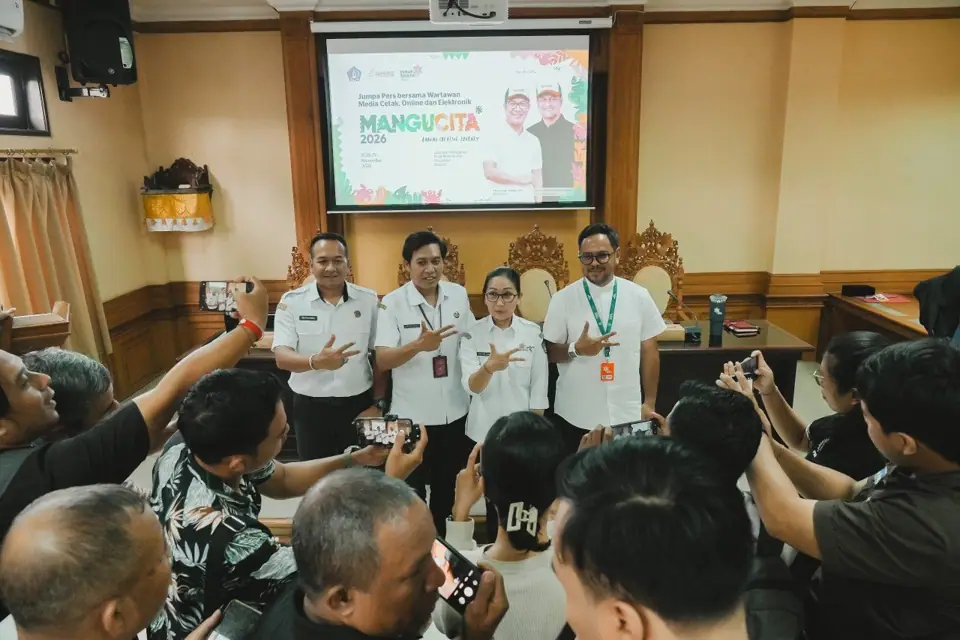
Mangucita Festival

- Culture / Art / Film
- Today
GAIKINDO Auto Week Bali 2026
🏛 DenpasarLiving World, Denpasar
- Culture / Art / Film
- Today
Sakuran The Royal Vogue
🏄 CangguMiss Fish Bali