Bali in January: How Hot It Is, What It's Like and What to Pack
January in Bali is the middle of the rainy season: hot, humid, green and showery. Days sit around 27 to 31 degrees, the rain usually comes in heavy bursts in the afternoon or at night, and the crowds thin out after New Year. It is a good month if you plan around the weather.
Short answer: January is Bali’s wet season in full swing. Expect hot, humid days of about 27 to 31 degrees, a good chance of rain every day, and heavy showers that are often short. The big Christmas and New Year rush is over, so rooms and flights are easier to find than in late December. Weather figures here are typical ranges from tourism climate guides, not a forecast, and the weather varies from year to year.
How hot is Bali in January?
Temperature barely changes through the year in Bali, so January is not hotter than other months. What changes is humidity.
- Daytime: around 27 to 31 degrees on the coast. Inland and higher up, around Ubud and further north, it feels a little cooler.
- Night: warm, roughly 24 to 25 degrees, so you will not need a sweater unless you go up to the mountains.
- Humidity: high, which is what makes it feel heavy. Clothes dry slowly and you sweat even sitting still.
- Sun: cloud does not stop UV. Sunscreen still matters on the clear mornings.
If you want the number-by-number picture for the whole year, see the rainy season.
What is Bali like in January?
Green, steamy and quieter than December. The rice terraces look their best, waterfalls run strong, and the air after rain is fresh for an hour or two. The downside is that some days are grey and wet from dawn.
A typical day goes like this: a bright, humid morning, clouds building around midday, a heavy downpour in the afternoon or evening, then a dry, warm night. Other days the rain falls overnight and the day is mostly dry. There are also a few days of steady, drizzly weather that can run all day. Rain is rarely cold, and many people simply wait ten minutes under a roof.
Seas are rougher on the west coast in the wet season. Swimming is often better on the east side around Sanur, and you should respect red flags and rip currents wherever you go.
What to pack for Bali in January
Pack for heat and showers, and choose things that dry overnight.
- Rain layer: a thin jacket or poncho. Umbrellas lose to wind and scooters.
- Clothes: synthetic or linen shirts and shorts, plus a spare set. Denim and heavy cotton stay damp for days.
- Footwear: sandals or trainers with real grip. Wet tiles and temple steps are slippery.
- Protection for devices: a waterproof pouch for your phone, passport and cash.
- Bugs and sun: repellent for dusk, sunscreen and a hat for clear mornings.
- Extras: a sarong or light scarf for temples and cold air conditioning, and a small power bank.
The full list is in what to pack for Bali. If you are comparing with the month before, Bali in December covers the Christmas and New Year peak.
Best areas when it rains
- Ubud: the best choice for rainy days. Classes, cafes with covered terraces, spas and markets are mostly under a roof. It gets more rain than the coast, so pick a place with a covered terrace.
- Canggu: cafes, coworking and busy evenings. Some streets flood briefly, so allow extra time for traffic and check the road before you ride.
- Seminyak: easy dining, shopping and beach clubs. Good if you want things within walking distance of a covered space.
- Sanur: calmer sea and a slower pace, good for families and for swimming in the wet season.
- Uluwatu: cliffs and sunset spots, but the roads are steep and slick in heavy rain. Plan the clifftop views for clear mornings.
If you are unsure, the areas vibe map compares them side by side. For ideas when the sky opens, see rainy day Bali.
What happens in January
The New Year parties are behind you, but the month is not empty. Two Balinese holidays fall in it in 2027.
- 1 January: a public holiday. Many beach clubs and restaurants are still busy with New Year crowds in the first days, and then things settle down.
- 13 January 2027: Galungan. Tall bamboo penjor poles line the streets, families pray at temples, and the roads near them get busier. Tourist places stay open. See the Galungan guide.
- 23 January 2027: Kuningan, ten days after Galungan. Prayers finish by noon, yellow rice is offered, and traffic near temples can be heavy in the morning. See the Kuningan guide.
- Ceremony calendar: for other dates through the year, use the ceremonies calendar.
If you want to see a ceremony, dress modestly, wear a sarong and sash, keep your distance from the people praying and do not step in front of cameras or offerings. Ask before taking photos.
Events and plans in the rain
Rain does not stop the calendar. Yoga, breathwork, sound healing, workshops, talks, live music and parties carry on all month, and a large part of them run under a roof. Ubud and Canggu are the easiest places to find something covered on any evening.
A few habits help:
- Confirm outdoor events on the day, since a storm can delay or move them.
- Book the popular dinner tables and classes a day or two ahead on weekends.
- Keep two rainy-day backups in your phone, so a cancelled beach plan turns into something else in a few minutes.
- Leave a margin for traffic. A ten-minute ride can take forty when a road floods.
You can browse what is on for any date on the Bali Afisha Today page or in the Telegram bot.
Getting around in the rain
Short floods hit low streets in Canggu, Seminyak and Kuta, and the first minutes of a downpour are the most dangerous for riders because oil lifts off the tarmac. Beginners should skip the scooter on wet days and book a driver instead. Taxi apps get overloaded once the sky opens, so call a car before the first drops. See also getting around Bali without a scooter.
A day that works in January
Put temples, rice terraces, waterfalls and the beach in the morning, when the sky is most often clear. Once the clouds stack up after lunch, switch to a class, a long cafe lunch, a massage or a market hall, and decide about the evening later.
For health basics such as mosquitoes after rain and what to do about stomach trouble, see the health cheatsheet.
Prices and booking
After New Year, rates usually fall compared with the Christmas to early January peak. January is still a wet-season month, so good villas with covered living space can be had at reasonable prices if you book a few weeks ahead. Around Galungan and Kuningan, expect some extra traffic and busier temples, but not closed tourist places. Check first-timer mistakes before you book a villa far from where the action is.
A simple plan
- Start in Ubud while the weather is at its wettest, then finish by the sea.
- Do one outdoor activity a day, early.
- Bring light, fast-drying clothes, a rain jacket and a waterproof pouch.
- On 13 and 23 January, keep morning plans simple and give temples room.
Find tonight’s events on the Bali Afisha Today page or in the Telegram bot.
Top 5 for the weekend by email
What's on this week

- Trips / Tours
- Today
Expedition to Sumba Island
~350$ until 17 November, then ~400$ for double occupancy

- Trips / Tours
- Today
Expedition to the Island of Java: Ijen-Bromo-Madakaripura
4,5 million IDR/person

- Trips / Tours
Northen Bali Diving
⛰ North (Lovina / Amed)Bali Diving Academy Pemuteran
- Trips / Tours
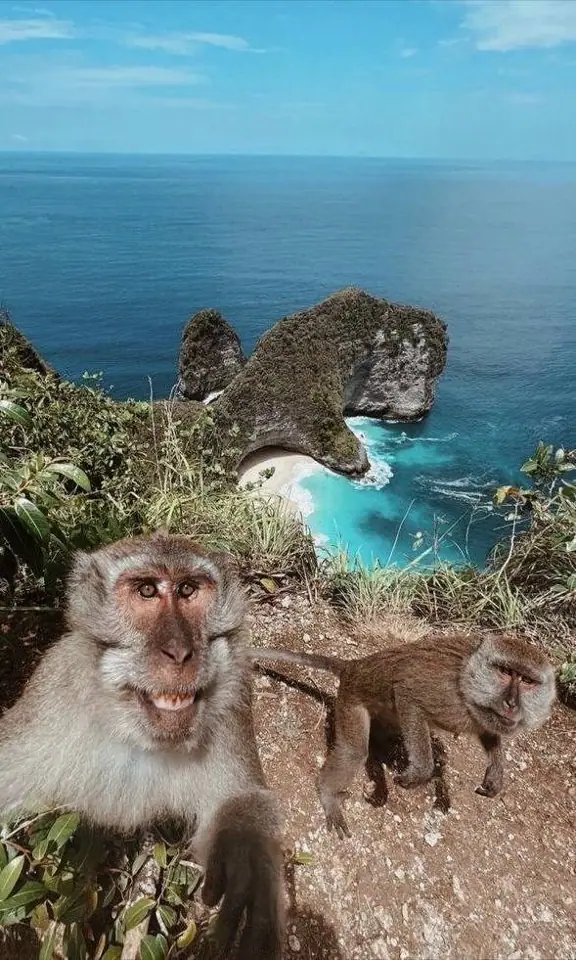
GROUP TOUR TO NUSA PENIDA
🏖 Nusa Penida / Lembongan / GiliNusa Penida
~150$ per person

- Trips / Tours
Plant & Release: Baby Turtle Release, Kayaking & Mangrove Planting
🏛 DenpasarSerangan and mangrove forest; transfer from Canggu and Ubud
900000 IDR
- Trips / Tours
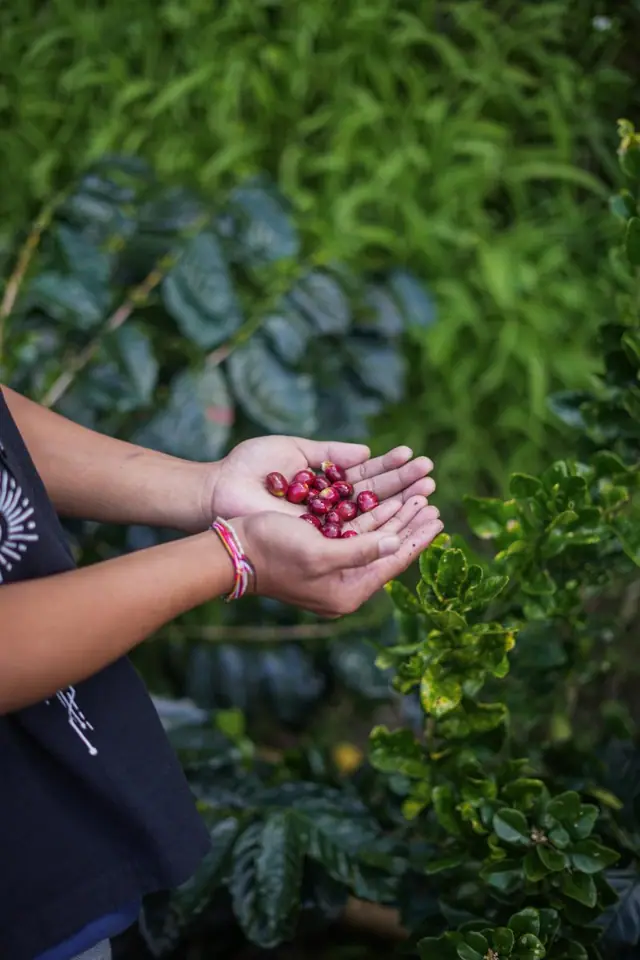
Bali Beans Journey: Coffee Farm Tour in Kintamani
⛰ North (Lovina / Amed)Bali Beans Plantation, Kintamani
IDR 180,000